

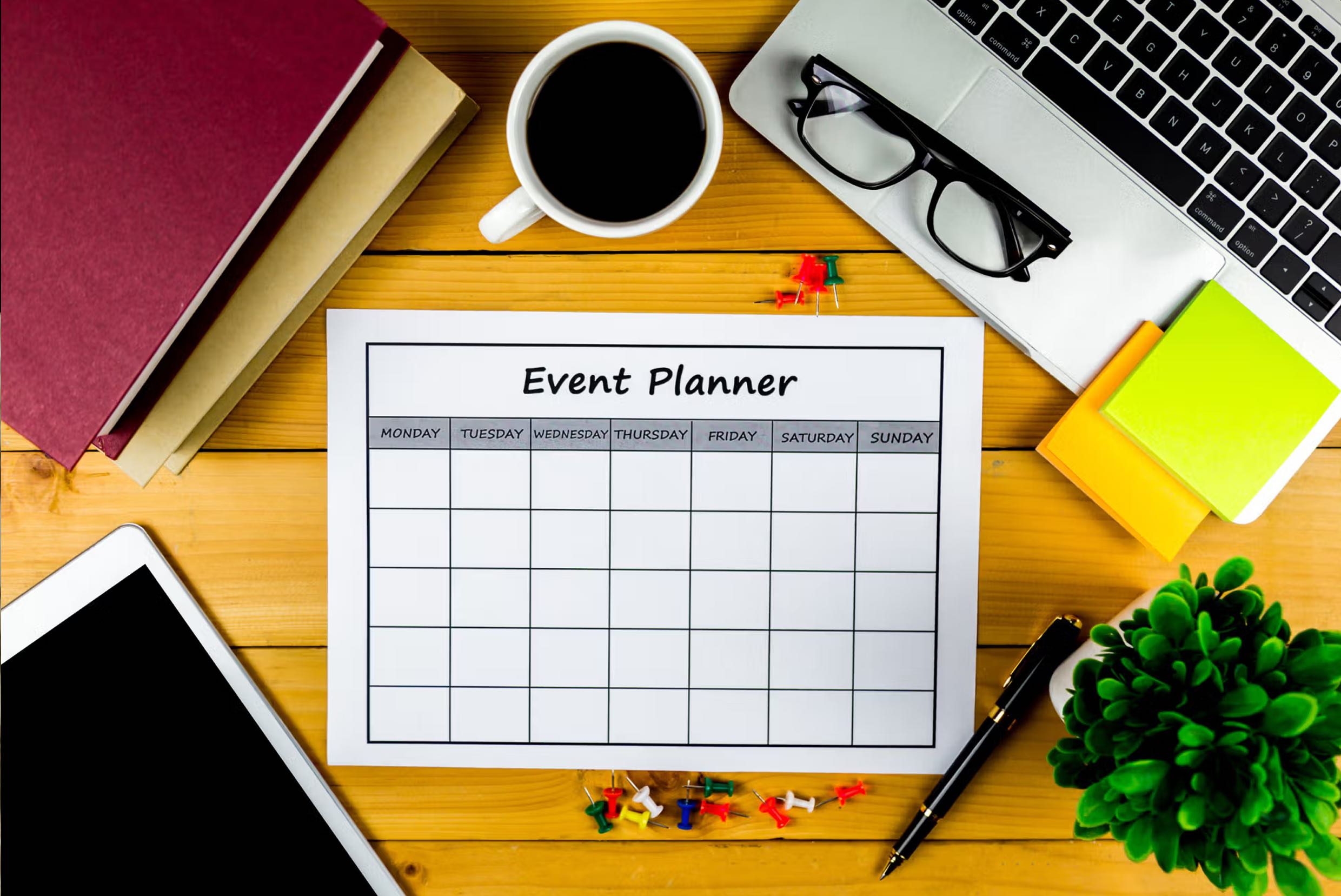
The Ultimate Guide To Event Planning Checklist
Planning any event can be a complex task as there are so many factors you need to take into consideration in order to execute a successful event your guests will remember. There are many aspects you need to make sure you have in place, including venue, ticketing and refreshments. Making sure you have all these in order before the big day can be extremely stressful, especially remembering to put all these details in place so that your event runs as smoothly as possible.
If you’ve planned any event in the past you will know how much detail is involved in order to make sure that everything is perfect and goes to plan. The pre-planning stage is just as important, to make sure you stay on track and have enough time to put everything in place before the big day. If you don’t write this down it can result in a chaotic outcome, with you missing out key elements of the event you need to include and you not knowing what’s already been done. Implementing an event checklist is the perfect way around this. It will allow you to organise your event efficiently, while also removing any stress involved with planning an event. So you can relax knowing exactly what you need to do to achieve the best event possible.
If you’re planning a big event and don’t know where to start then no need to panic. Here at FanGo we’ve put together this blog to provide you with the ultimate event planning checklist, so you can rest assured knowing you’ve got everything covered. Whether you’re planning an office Christmas party, a meeting or even a virtual event, you can implement this event checklist into your planning to ensure you throw the perfect event that will exceed all your guests expectations.

Pre Event Planning Checklist
Before creating a checklist for your event, you will want to create a pre-event checklist. This may seem like over-preparing, however, there are so many factors that go into planning an event, you want to make sure that there is nothing that you’ve missed. Planning an event isn’t something you can start doing a week before, you will want to start this process weeks, even months prior to the event. There are certain aspects that you can’t just book in short notice, so giving yourself plenty of time to organise will guarantee success!
Depending on the size of your event will determine how far in advance the planning process will start. For smaller events such as parties, meetings or workshops, starting the planning process 6 months in advance should give you enough time to put everything in place. For larger events such as festivals, trade shows or conferences, you will want to start this process even earlier; at least 1 year in advance will give you the time needed to ensure everything goes to plan.
Prepare An Event Checklist
Setting out a plan before your event is essential to make sure that you have everything in place before the much-anticipated day. Establishing your checklist in this stage will ensure that you cover all of the essentials and don’t miss any important factors out. Things you should consider include, date, location, type of event, goals and budget. This is a great starting point when planning an event, and including a checklist will make sure that nothing gets missed.
1. Set your event goals and objectives
Firstly, you will want to establish the purpose of your event and what you hope to achieve from this event. It’s also a good idea to envision what success will look like as a result of this event. You should have a clear reason why you’re organising this event in the first place, so using that to determine the purpose will give you a clearer idea of why you are doing this and what you want the outcome to be.
2. Decide on the date
An important detail is for you to decide when you want the event to take place. There will be a reason why you choose a specific date. For example if you’re planning a music festival then you’ll want to pick one of the summer months to try and take advantage of some of the warmer weather. Or maybe the date of your event depends on the attendees and when they’re available. So gathering all of this information at this stage to weigh up all options is important, as you can’t proceed without knowing when the event will take place, and so you can make sure the other factors are completed in time for the big day.
3. Choose The Venue
Whatever your event, choosing the right venue for your event planning is an important step in any planning process. This can also cause many event planners a lot of stress to find a venue that meets their criteria from making sure it’s available to ensuring it has a large enough capacity to hold your attendees. It’s important to consider these factors when choosing the ideal venue, such as capacity, location, amenities and accessibility. When deciding on the perfect venue for your event, you should conduct site visits, negotiate contracts and thoroughly review cancellation policies. This will ensure that you have all of the information regarding the venue before making a decision. As the venue plays a key role in the outcome of the success of your event, it’s important you choose wisely on what you think your guests will like the most.

4. Put guest list in place
You don’t have to decide on what specific people are going to be included in your guestlist just yet. However, having a clear idea on how many people you’re expecting to attend your event is important so you can plan other aspects of your event such as food, beverages facilities etc. The last thing you would want is to not have enough refreshments to cover your guest list. You also need to make sure that your venue has the capacity to hold all of your guests. It’s also equally important not to book a large venue if your guest list won’t even fill half of the space. Predicting the number of people who are expected to show up is definitely something you should be thinking about.
5. Event Checklist Budget
Knowing how much money you have to play with is also valuable information. You don’t want to spend too much on non essentials and then not have enough funds left to cover the necessities. Establishing what money is available and if you need any additional funds will help you organise your event and understand what aspects are important and what you could leave out.
Your budget will determine what parts of your event planning are possible to execute. Identifying all the elements that will require financial investment for the event and setting them apart from factors that aren’t as important. It’s also wise to prepare for unexpected circumstances and leave room for expenses. Setting a realistic budget will help you allocate resources effectively allowing you to focus on the most important parts of your event.
6. Do you need tickets?
Deciding whether you’re planning a ticketed event is something you will want to decide on early on in the planning process. You’ll also need to decide on what the ticket price will be. At FanGo we make this easy with our ticketing system allowing your guests to be able to book tickets with our ticket management software. You have the option to choose from general admission, VIP, early bird and tickets for children, allowing you to customise specific for your event.
If you’re hosting a ticketing event, you want to make sure that tickets are available and easily accessible to all of your guests. You also want to ensure that all of your attendees are made aware of your event when tickets become available. Our bespoke ticketing system allows your guests to easily book online without any fuss. Our ticket booking process allows flexibility and ease, giving you the option to fully customise the ticketing to suit your event.
7. Food And Beverage
Providing refreshments is another crucial factor to include in your event management checklist. With our bespoke event management software, we ensure that you’re up to date with allergen and dietary alerts. Giving guests the ability to report if they have any allergies; their information is securely saved and automatically sent to the relevant departments before the event. This system takes the stress out of planning as this information is all taken care of prior to the event, giving you one less thing to worry about. As making sure allergy information is up to date is important to make your guests feel safe when eating at your event. Having this taken care of shows your guests that your event is reliable and you care about your attendees’ wellbeing.
8. Pre-order Features
Something that may be overlooked but will take your event to the next level is giving your guests the ability to pre-order their beverages before the event. This allows them to bypass tedious queues and optimises the service as drinks can be made in advance. Our pre-ordering system leads to fewer notorious long queues at the bar, meaning staff have more time to focus on providing outstanding service. Considering whether or not pre-ordering is going to be a beneficial options should certainly be in your event checklist as it streamlines your service and guarantees your guests will be happy.

Using Event Management Software In Event Planning
When deciding on what your event needs, you may want to consider using an event management software to help you with your event planning. This is especially helpful if you have never planned an event before, or even if you want the administrative tasks to be taken care of so you can focus your time on the other, often more exciting, aspects of your event.
Either way, software’s a great option to ensure that everything runs according to plan without any excessive stress. FanGo offers bespoke event management software to assist you with your event – no matter the size. Our bespoke event management software is incredibly easy to navigate, allowing you to use innovative features from ticket sales, registration and pre-ordering with ease.

Why Use An Event Planning Checklist
When planning an event, it’s important to implement an event management checklist to determine the success of your event. It will be extremely beneficial to implement this event checklist into your planning process, in order to remain as organised as possible which will ensure you have everything in place for a successful event. No matter what event you’re planning whether that’s a meeting, virtual event or an office party, you can adapt this event management checklist to your specific event requirements and can use it for future planning endeavours.
Implementing our event management checklist to help with this process is something you should definitely consider with any event you’re planning, in order to streamline the process and make sure that you have the best event possible. With these tips you will be sure to minimise any stress that can come with planning an event or that are involved in any tedious administrative tasks. This will make planning your event more enjoyable as well as take care of all the stressful tasks that are involved. So what are you waiting for? Contact us at FanGo today and take your event planning to the next level.